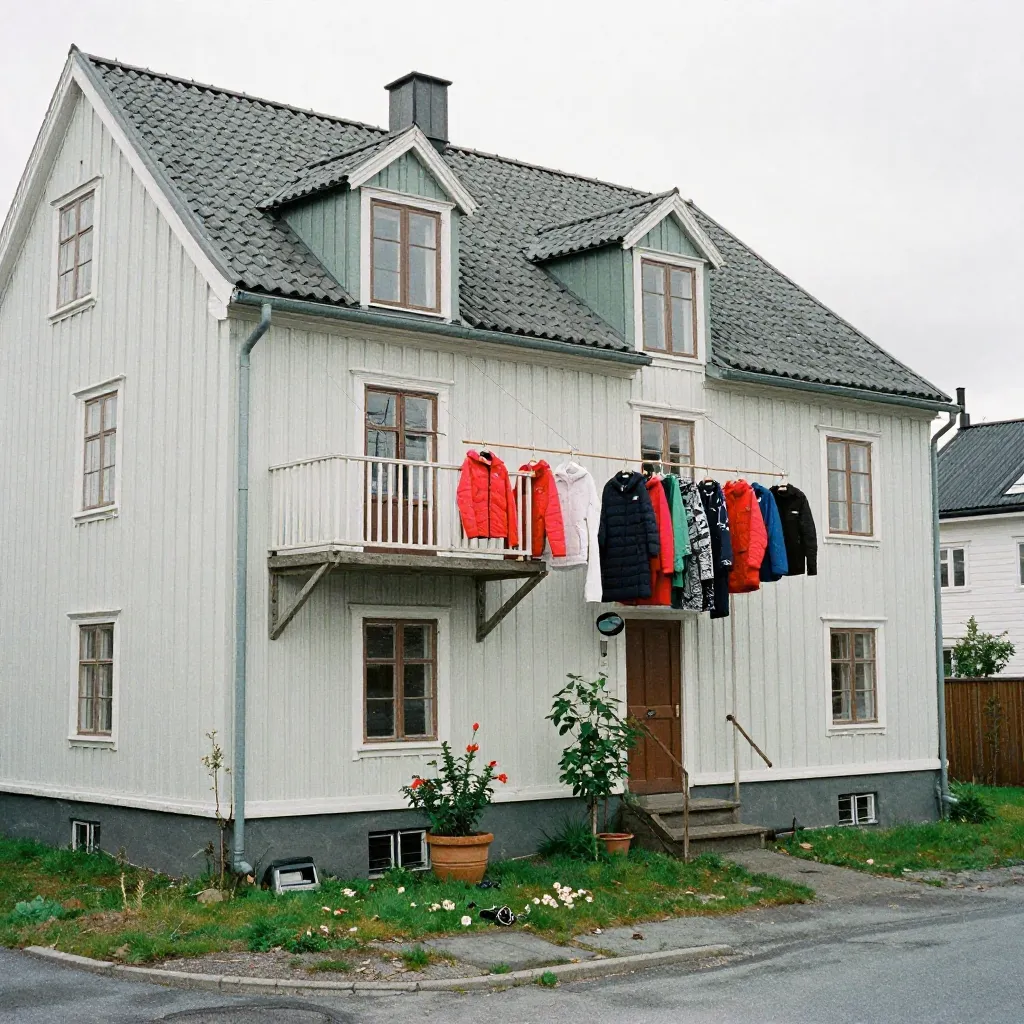
Understanding Indoor Dry Air
During Nordic winters, central heating systems create extremely dry indoor environments. This low humidity can cause fabrics to become brittle, lose elasticity, and develop static electricity.
Monitoring Humidity Levels
Use a simple hygrometer to measure humidity in different areas of your apartment. Ideal storage conditions range between 40-60% relative humidity.
Bedrooms and living areas near radiators often have the lowest humidity levels, requiring special attention for delicate fabrics.
Humidification Solutions
Small humidifiers can help maintain appropriate moisture levels in storage areas. Alternatively, place bowls of water near storage spaces to add moisture naturally.
Be careful not to over-humidify, as excessive moisture can lead to mold growth and fabric damage.
Fabric Protection
Store delicate items away from direct heat sources. Use breathable storage containers that allow some moisture exchange while protecting items from excessive dryness.
Consider rotating items stored in very dry areas more frequently to prevent long-term damage.
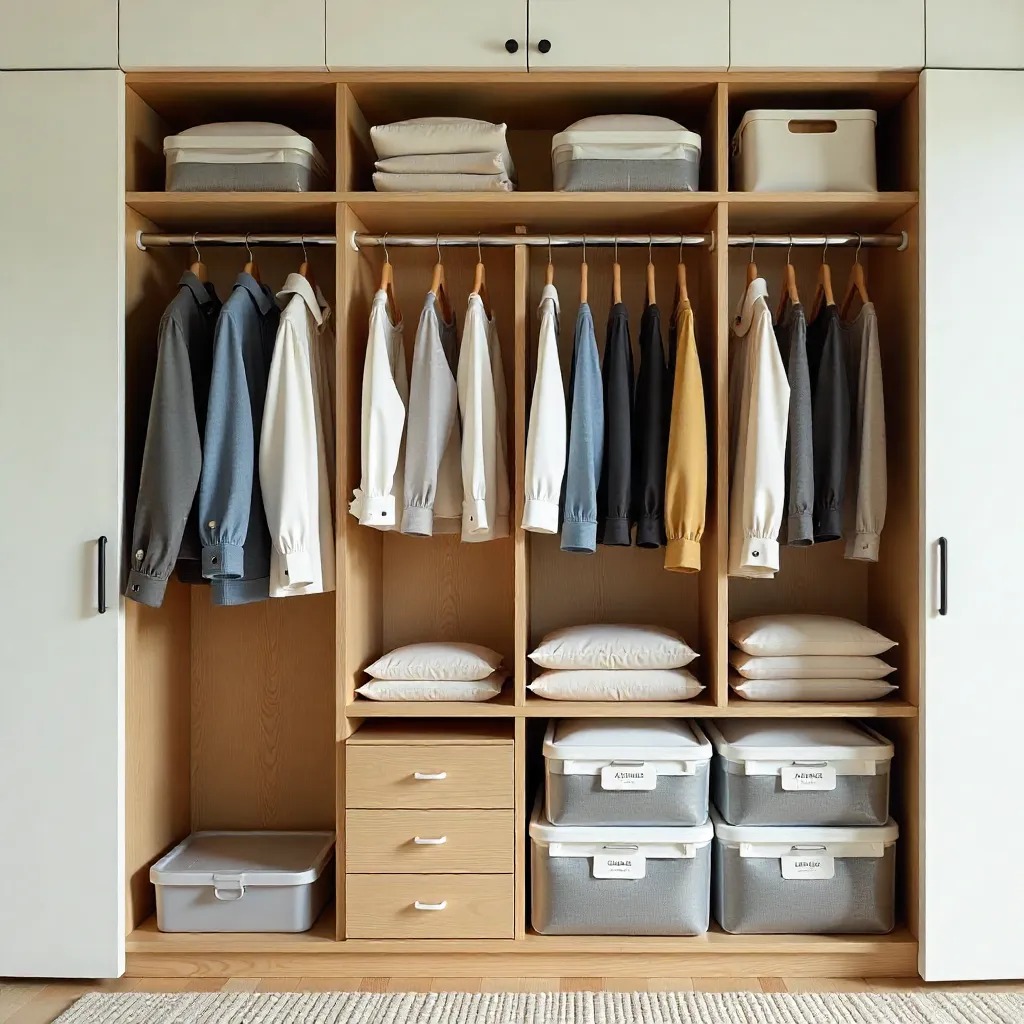
Fabric-Specific Climate Needs
Different fabrics respond differently to humidity levels. Understanding these relationships helps you match storage locations with appropriate garments.
Natural Fibers
Wool, cotton, and linen benefit from moderate humidity levels. Store these items in areas with stable conditions, avoiding both extremely dry and overly humid zones.
These fabrics can absorb and release moisture, making them sensitive to rapid humidity changes.
Synthetic Materials
Many synthetic fabrics are less sensitive to humidity but can develop static electricity in very dry conditions. Store these items away from heat sources.
Some synthetic materials may trap moisture, so ensure adequate airflow in storage containers.
Leather & Suede
These materials require consistent, moderate humidity levels. Extreme dryness can cause cracking, while excessive moisture promotes mold growth.
Store leather items in climate-controlled areas, using breathable covers that allow some moisture exchange.
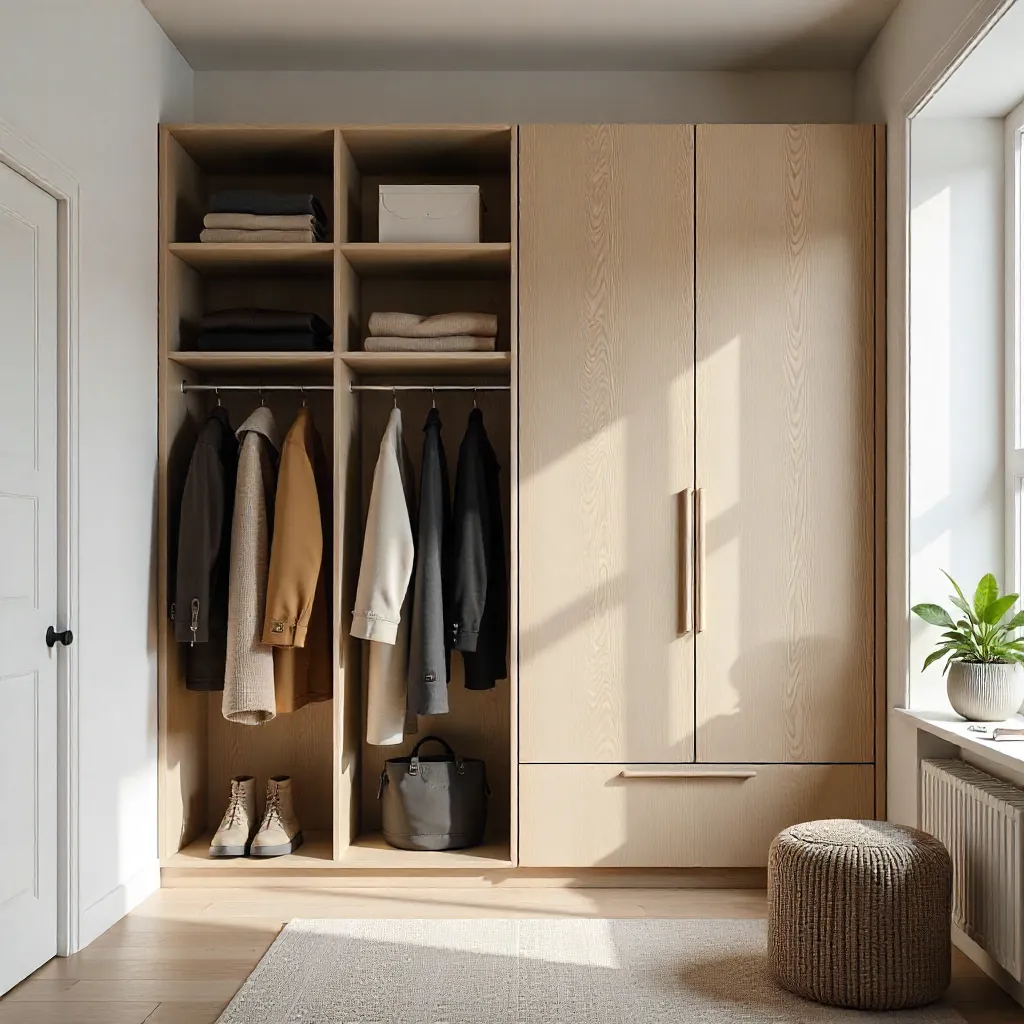
Seasonal Adjustments
As seasons change, so do indoor climate conditions. Adjust your storage strategies accordingly, moving items between zones as humidity levels fluctuate.
Winter Storage
Focus on protecting items from dry air. Use humidification methods and avoid storing delicate items near heat sources.
Summer Storage
Monitor for excessive humidity, especially in areas without air conditioning. Ensure adequate airflow and consider dehumidification if needed.
Transition Periods
Spring and autumn often bring more balanced conditions. Use these periods to reorganize storage and assess garment condition.