Understanding Your Storage Zones
Every small apartment has multiple storage zones, each with unique characteristics. Identifying and mapping these zones is the first step toward efficient organization.
Under-Bed Storage
This hidden space is perfect for off-season items. Use flat storage containers that slide easily, and create a simple inventory list of what's stored beneath your bed.
Consider the height of your bed frame and choose containers that maximize vertical space while remaining accessible.
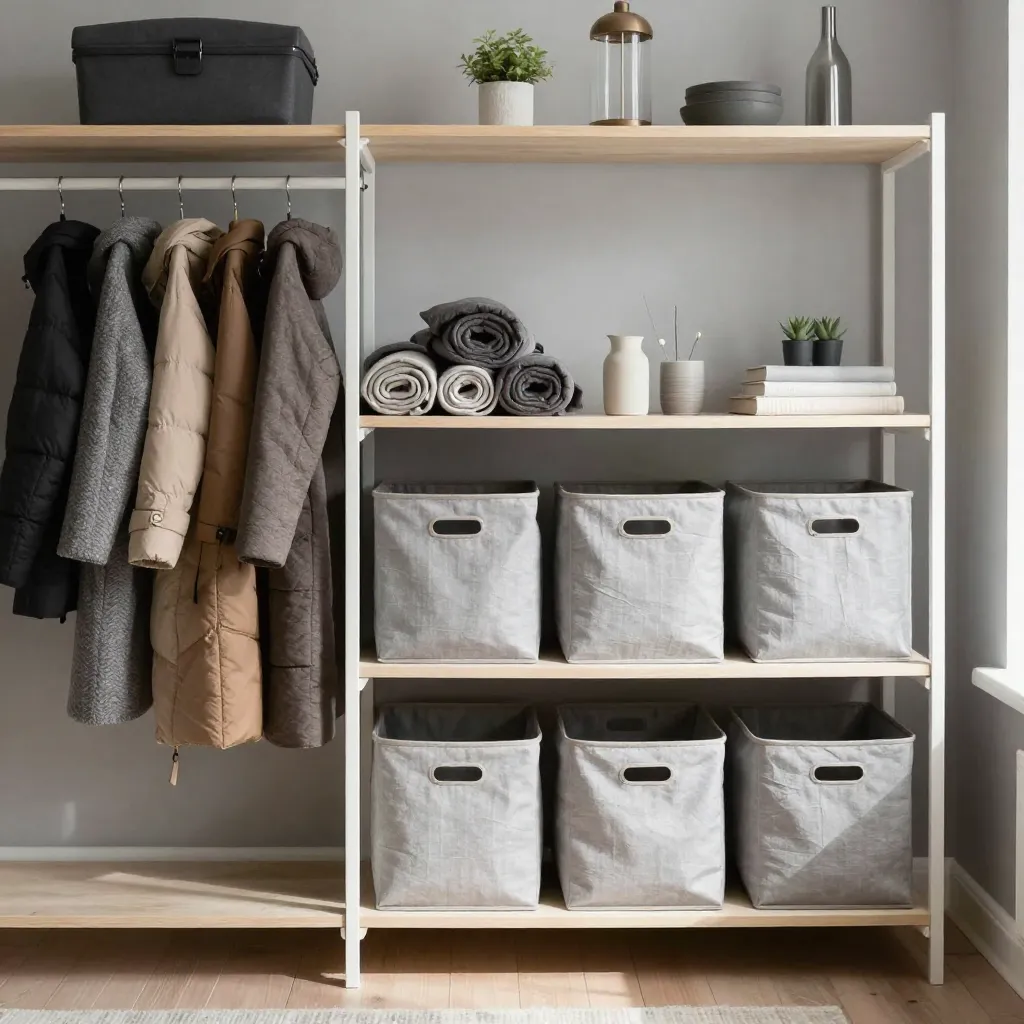
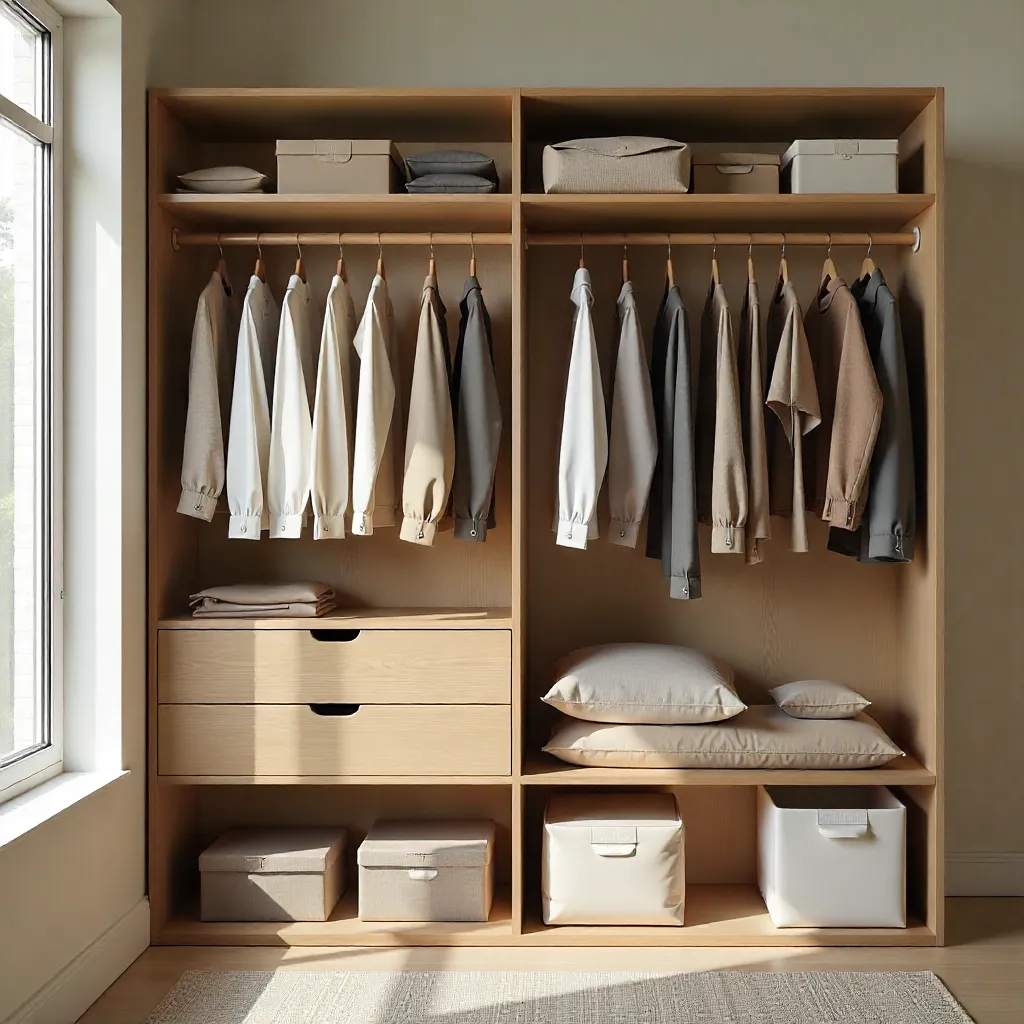
Top-Shelf Areas
High shelves often become forgotten storage zones. Map out what's stored above eye level, and use clear labels or a digital inventory to track items.
Reserve top shelves for items you access less frequently, ensuring your most-used pieces remain within easy reach.
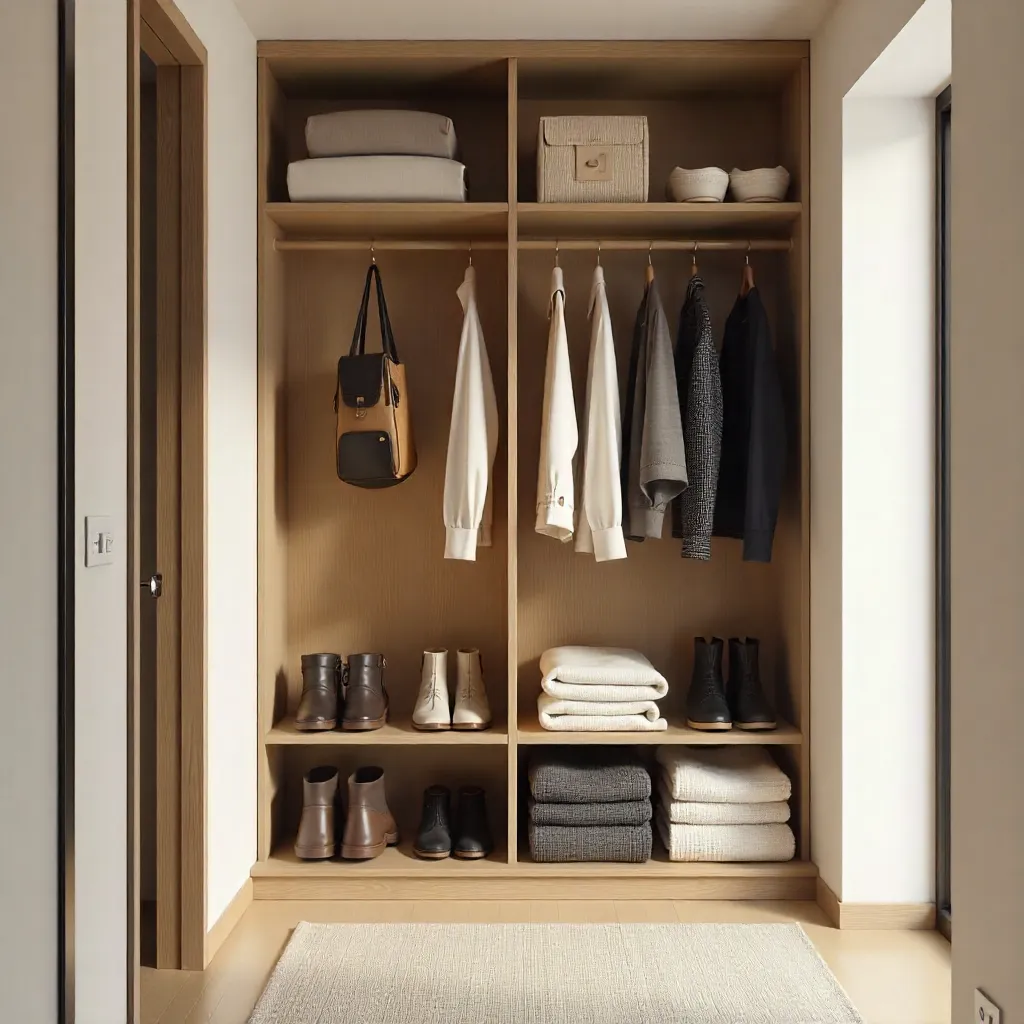
Hallway Closets
Hallway storage often serves as a transition zone between seasons. Create a visual map showing which items are stored here and when they should be rotated.
Consider humidity levels and airflow when mapping hallway storage, as these areas may have different environmental conditions.
Digital Inventory Tools
While physical maps work well, digital tools can enhance your inventory system. Consider using simple apps or spreadsheets to track your clothing items and their locations.
Include photos of items, their storage locations, and rotation dates. This digital backup ensures you never lose track of your collection, even during major reorganizations.
Photo Documentation
Take photos of items before storing them, and organize these images by storage location. This visual record helps you remember what you own without unpacking containers.
Location Tags
Create a simple tagging system that links items to their storage zones. Use consistent labels across all your storage areas for easy reference.
Rotation Calendar
Integrate your visual map with a rotation schedule. Mark when items should be moved between storage zones based on seasonal changes.